
The flu is coming: red alert throughout February
According to the “flu-mometer”, which was created by the Ministry of Health, infections in every age group will rise, starting from next week. They will slow down from March
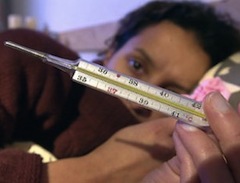 Chills, a cold, high temperature. The flu is just around the corner, at least if we consider the estimates of the Ministry of Health who have published the “flu-mometer”, a thermometer that shows the trend of infections, with some indications on symptoms and behaviours.
The virus, which was predicted some time ago, is already here: during this week, in fact, the number of recorded infections is already above the seasonal average. Those most affected are young people and adults, from the ages of 15 to 64, and the over 65s.
From next week, however, there will be a further increase, which will also affect young children, from the ages of 0 to 4. And then, from 27 January, the spread of flu will reach its peak in every age group, as they are exposed to the greatest infection.
The flu emergency will last throughout February, and the situation will only improve from the 24th, when the level of the alert will fall from maximum to “above the seasonal average”. The flu will continue to affect large numbers of people until mid-March, when infections will start to drop back to average levels.
The flu virus has a short incubation period, approximately 2 days, during which people are already infectious. In particular, people are infectious from a few days before symptoms appear, until about 3-5 days after.
Some indications on the symptoms: you can claim to have a fever when your body temperature rises, and this is considered high when it goes above 37.7 C. When the pains are sudden and unprovoked, it is possible they are symptoms of flu. Chills are a normal sensation felt by the body when it reacts to low temperatures in the surrounding environment. But when they are not the result of the cold, they may be a symptom of flu. Flu affects people greatly, and rapidly, generally in 3-6 hours. Its feature is the certain violence with which the symptoms appear. Coughing is not always a symptom of flu. If it is “chesty” (i.e. with mucus or phlegm), this is normal if the weather is cold; but, if it is “dry” (without phlegm), it may be a sign of the virus. Another typical flu symptom is sneezing, which spreads the virus into the air.
A sore throat with patches and inflammation are a common consequence of cold weather, and are also typical flu symptoms.



Dalla Home

Mornago
Scontro all’alba a Mornago tra un’auto e una moto, ferito un 55enne

Varese
“VA che Presidenti!”: alla Fiera di Varese il racconto di oltre 30 anni di politica a Villa Recalcati

Basket
La Openjobmetis si svela agli sponsor: “Vogliamo rendervi orgogliosi di noi”

Scuola
Nelle scuole della provincia di Varese 98mila studenti: mille in meno in un anno, quasi tutti alla primaria
La community di VareseNews
Loro ne fanno già parte
Ultimi commenti
Walt06 su Varese, tutti promossi al Centro Studi Voltaire: il bilancio del primo anno
principe.rosso su Crollo alla E-Work Arena, Varese pronta ad aiutare la Uyba Volley: a disposizione il palasport di Masnago
GrandeFratello su Centro Campus, via alla trasformazione: "Varese sempre più all'avanguardia nel basket europeo"
lenny54 su Turisti e seconde case fanno impennare i consumi d'acqua nel nord della provincia, lo dicono i dati degli acquedotti
Felice su Musi di Varese 2027, presentato il calendario del Canile: Palazzo Estense accoglie i cani della città
Felice su Turisti e seconde case fanno impennare i consumi d'acqua nel nord della provincia, lo dicono i dati degli acquedotti







Accedi o registrati per commentare questo articolo.
L'email è richiesta ma non verrà mostrata ai visitatori. Il contenuto di questo commento esprime il pensiero dell'autore e non rappresenta la linea editoriale di VareseNews.it, che rimane autonoma e indipendente. I messaggi inclusi nei commenti non sono testi giornalistici, ma post inviati dai singoli lettori che possono essere automaticamente pubblicati senza filtro preventivo. I commenti che includano uno o più link a siti esterni verranno rimossi in automatico dal sistema.